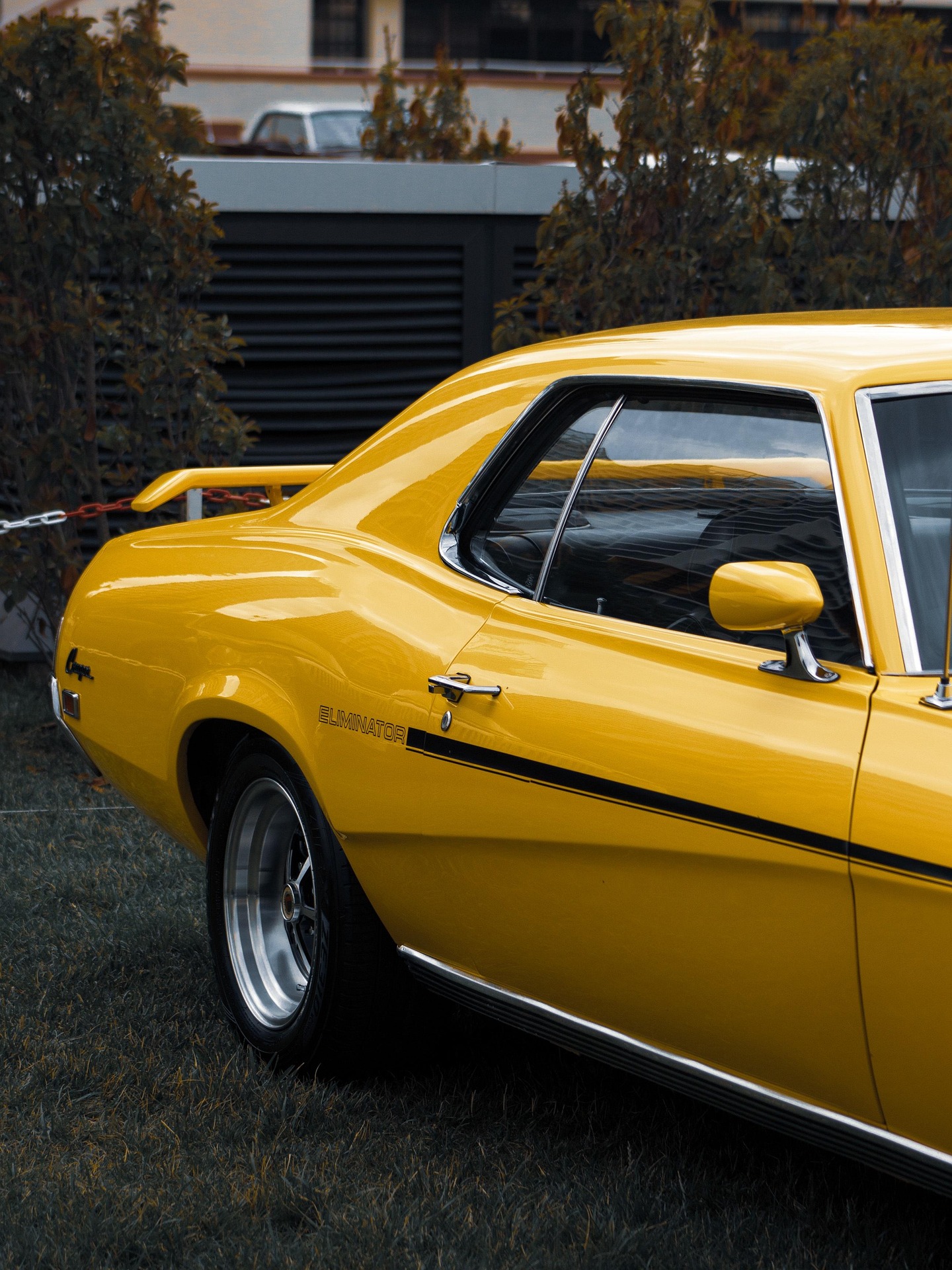
The rear wing (or spoiler) on a supercar is far more than a styling statement. It generates critical downforce, influences high-speed stability, and is often one of the most expensive and visually prominent body components on the car. Most modern examples are constructed from carbon fiber (frequently dry carbon or pre-preg with a clear-coat finish), though some use painted composites or aluminum. These materials look spectacular when new but are vulnerable to UV degradation, stone chips, chemical attack, and mechanical stress. Proper care preserves both appearance and structural integrity while protecting a very costly part.
1. Gentle, Regular Cleaning
Hand-washing is essential. Automatic car washes and high-pressure jets can force water under the clear coat, damage edge sealing, or loosen mounting hardware.

- Rinse first with low-pressure water to remove loose grit and brake dust.
- Use only a pH-neutral (ideally 6.8–7.2), silicone-free car shampoo formulated for clear-coated or composite surfaces. Avoid dish soap, degreasers, alkaline cleaners, ammonia-based products, or solvents — these can attack the resin or clear coat over time.
- Wash with a soft microfiber mitt or lambswool mitt using the two-bucket method (one for soapy water, one for rinsing the mitt) to avoid dragging grit across the surface.
- Clean the underside and mounting areas carefully; debris collects there and traps moisture.
- Dry immediately by patting (not rubbing) with a high-quality waffle-weave microfiber towel. Leaving water to evaporate causes mineral spots and etching.
- Clean more frequently in coastal, high-UV, or winter-salt environments (every 2–3 weeks) versus milder climates (every 4–6 weeks). Never wash in direct sunlight or when the surface is hot.
For stubborn tar or bugs, use a citrus-based automotive tar remover sparingly on a soft applicator, then rinse thoroughly.
2. UV Protection Is Non-Negotiable
Ultraviolet light is the primary long-term enemy of carbon-fiber wings. It breaks down the resin and clear coat, causing yellowing, hazing, dullness, and eventually micro-cracking.
- Apply a high-quality ceramic coating designed for automotive carbon fiber or clear-coated surfaces. A proper ceramic layer bonds chemically, provides strong UV resistance, hydrophobicity, and chemical protection, and typically lasts 2–5 years with maintenance.
- Traditional carnauba waxes are less ideal for many carbon finishes (they can cloud or degrade the clear coat over time). If you prefer a wax or sealant, choose products specifically rated for carbon fiber or clear coats and reapply regularly.
- Park in a garage or shaded area whenever possible. A breathable, UV-reflective car cover helps during outdoor storage. Cumulative sun exposure dramatically shortens the life of the finish.
- Paint-protection film (PPF) on the leading edges of the wing can add an extra barrier against chips and UV.
3. Inspect Mounting Hardware and Structure Regularly
A rear wing experiences significant aerodynamic load. Loose or failing mounts are both a safety risk and a common source of secondary damage.
- Periodically check bolts, nuts, brackets, and any adhesive bonding points for tightness, corrosion, or movement. Do not overtighten — carbon fiber does not flex like metal and can crack around mounting holes.
- Look for stress cracks radiating from fastener holes, delamination, or black dust (a sign of the wing rubbing against the body).
- After track days or high-speed driving, perform a careful visual and tactile inspection.
- On active or adjustable wings, verify that mechanisms, actuators, and seals remain clean and free of debris.Any sign of structural compromise warrants professional inspection. A detached or cracked wing at speed is extremely dangerous.


4. Address Damage Promptly
- Small chips or scratches in the clear coat should be repaired quickly with UV-stable clear epoxy or resin before moisture reaches the fibers.
- Light surface haze or minor swirl marks can sometimes be carefully polished with products safe for clear-coated carbon, followed by re-protection. Avoid aggressive machine polishing unless you know the clear-coat thickness.
- Significant cracks, delamination, or impact damage usually require specialist repair or replacement. DIY structural fixes are rarely advisable on a high-downforce component.
5. Habits That Extend Life
- Avoid automatic car washes and pressure washers near the wing.
- Keep harsh chemicals (wheel cleaners, brake cleaners, solvents) away from the surface.
- After muddy or salty drives, rinse the wing and its mounts thoroughly as soon as practical.
- When the car is stored for long periods, a climate-controlled environment is ideal. If outdoors, use a quality cover and ensure the wing is clean and dry first.
- Be mindful of low-hanging or large wings when parking, using ramps, or navigating speed bumps — impact damage is expensive.
Quick Care Routine
- Every wash: Gentle hand clean + thorough dry + quick visual check of mounts.
- Every few months: Reapply or top up ceramic protection / sealant as needed.
- Seasonally or after track use: Full inspection of hardware, edges, and finish.
- Annually (or as coating dictates): Professional detailing or re-coating assessment.
A well-maintained rear wing retains its sharp appearance, continues to perform aerodynamically as designed, and avoids the five- or six-figure replacement costs common on many supercars. Treat it with the same respect you give the rest of the car’s high-value composite surfaces, and it will reward you with years of flawless function and presence.